


How to Style Short Hair: Step-by-Step Guide
Table of Contents
What You'll Need Before You Start
How to Style Short Hair for a Sharp, Polished Look
Prep Your Hair with Heat Protectant
Dry and Shape Your Short Haircut
How to Add Volume to Short Hair Without Flat Roots
How to Curl Short Hair with a Flat Iron
Creating Loose Waves and Textured Curls
Styling for Different Occasions
Best Products for Styling Short Hair
Gels and Creams by Hair Type
Pomades and Pastes
Dry Shampoo and Texture Sprays
Heat Protectant Spray
Application Strategy to Avoid Buildup
Short Hair Styling Ideas for Men
Common Mistakes to Avoid
Quick Styling Routines for Busy Mornings
Heat-Based Routines (5-15 minutes)
Low-Heat and No-Heat Routines (5-10 minutes)
Texture-Specific Adjustments
Preparation for Speed
Frequently Asked Questions
Last Updated: October 11, 2026
What You'll Need Before You Start
Styling short hair requires a blow dryer with concentrator nozzle, a 1/4-inch-spaced comb, a 0.5-1 inch flat iron, heat protectant spray, styling gel or pomade, a 1.5-inch round brush, and a spray bottle. Gather these before you start so your routine flows smoothly.
How to Style Short Hair for a Sharp, Polished Look
Proper prep and drying technique are essential, rushing these steps causes styles to fall flat by noon.

Prep Your Hair with Heat Protectant
Start with clean, damp hair and spray heat protectant evenly from roots to ends; let it dry 30 seconds. Comb through gently to remove tangles, which trap moisture and cause uneven drying. Work section by section, starting at the nape.
Dry and Shape Your Short Haircut
Use medium heat and direct the nozzle downward to smooth the cuticle and reduce frizz. Start at the crown with an up-and-back comb motion to create lift at the roots, preventing flat roots. Dry each section until 80% dry, then finish with cool air to seal the cuticle and lock in your style.
How to Add Volume to Short Hair Without Flat Roots
To prevent flat roots, section the damp crown into four quadrants and dry each by lifting straight up with your comb, repeating 3-4 times per section. For extra lift, flip your head upside down and dry the crown with the dryer pointed upward. Avoid touching roots once dry, as fingers deposit oils that flatten volume. Use dry shampoo spray if roots fall during the day.
How to Curl Short Hair with a Flat Iron
A flat iron creates waves and curls in short hair, not just straightens.
Creating Loose Waves and Textured Curls
Set your flat iron to 350°F. Take 1-inch sections, clamp near the roots, and twist 180 degrees as you glide downward to create waves. Let cool 10 seconds to set. For tighter curls, twist 360 degrees instead. Vary your technique across sections to create natural-looking texture.
Styling for Different Occasions
For casual looks, separate waves with your fingers and add light-hold gel. For polished events, keep waves tight with strong-hold pomade. For sharp, structured looks, apply gel to damp hair, blow dry with an up-and-back motion, and finish with a flat iron for clean lines.
Best Products for Styling Short Hair
Match product to your hair texture and density to prevent greasy, weighed-down looks that ruin short styles.
Gels and Creams by Hair Type
For fine or thin hair: Use lightweight gel or cream with matte or satin finish. Apply a pea-sized amount to damp roots and mid-lengths.
For thick or coarse hair: Use medium-hold gel or cream-based pomade. Apply a dime-sized amount, warming it between your palms before distributing through damp hair.
For curly or coily hair: Use curl-defining cream or gel with flexible hold. Apply to soaking-wet hair before air-drying or diffusing.
For straight hair: Use light-hold gel or texturizing spray to add separation and definition. Apply sparingly to damp hair.
Pomades and Pastes
Pomades provide shine and strong hold for polished looks. Use a dime-sized amount, warming it between your palms. Apply to damp hair to avoid streaks and buildup. For fine hair, use water-based pomade labeled "lightweight" or avoid entirely.
Dry Shampoo and Texture Sprays
Dry shampoo absorbs oil and adds texture; spray at crown and sides, wait 30 seconds, then comb through. Use sparingly to avoid white residue. Texture sprays add grip to waves and curls; apply after styling.
Heat Protectant Spray
Apply heat protectant to damp hair before blow drying or using a flat iron. A light misting is enough; reapply before each heat-tool session. Use lightweight spray for fine hair, heavier formula for thick or curly hair.
Application Strategy to Avoid Buildup
To prevent greasy, limp roots: start with less product than you think (pea-sized for fine, dime for medium, quarter for thick), apply to damp hair, distribute thoroughly, wash out completely every 2-3 days, and match product weight to your wash schedule. The goal is hold without looking wet, stiff, or greasy by evening.
Short Hair Styling Ideas for Men
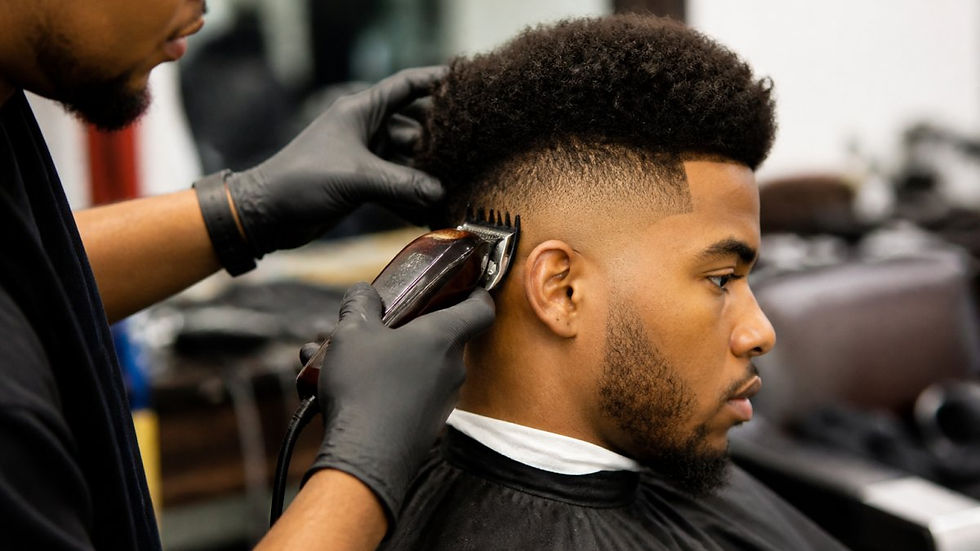
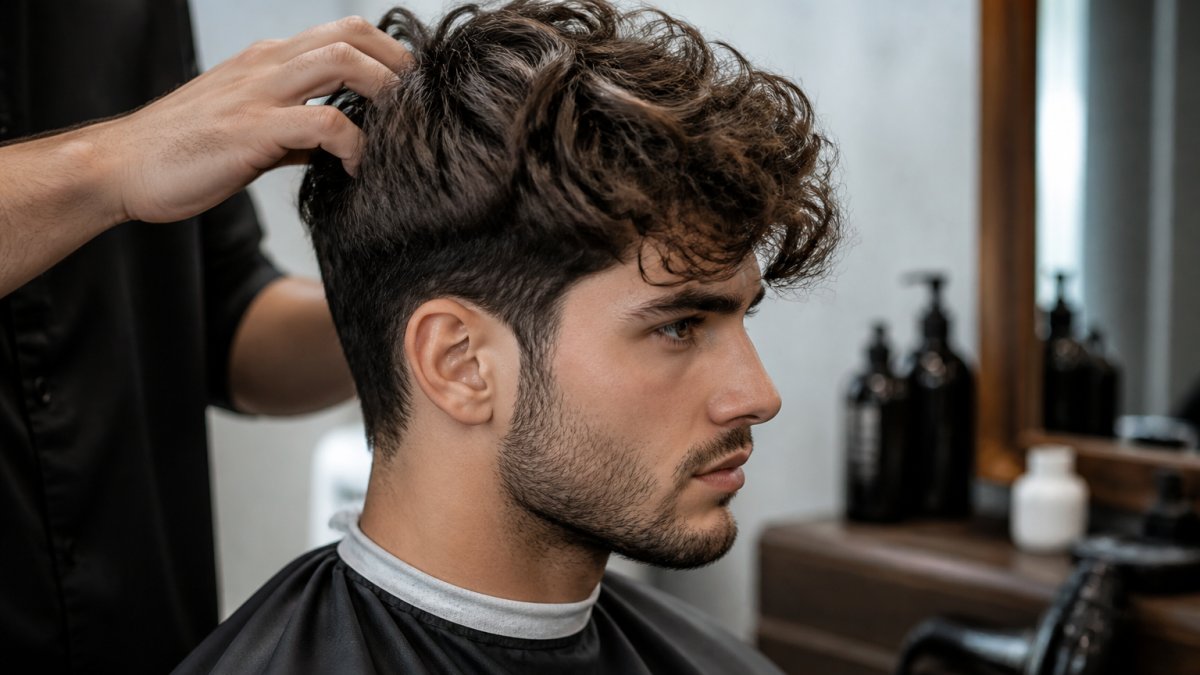
Match your style to your haircut and hair texture. Fades with textured tops suit straight or wavy hair (style forward with light gel or back with pomade). Pixie cuts suit fine or thin hair and require minimal styling. Short shags suit thick, wavy hair (style with fingers and light gel). Blunt cuts work for all types (part to side for professional, down the middle for modern). Cropped cuts with defined lines require minimal styling.
Common Mistakes to Avoid
Using too much product is the biggest mistake. Short hair shows every bit of product you apply.
Blow drying on high heat damages short hair quickly. Use medium heat instead (the American Academy of Dermatology).
Skipping heat protectant is false economy. One bottle prevents months of damage. Apply every time you use heat tools.
Touching your hair throughout the day flattens volume and deposits oils. Style once, then leave it alone.
Not combing out tangles before drying creates permanent kinks. Spend 30 seconds combing damp hair to save your style.
Quick Styling Routines for Busy Mornings
A complete routine takes 5-15 minutes depending on your hair texture, the look you want, and whether you're using heat. The key is matching your routine to your hair type and lifestyle so you can repeat it consistently.
Heat-Based Routines (5-15 minutes)
5-minute routine (daily, all hair types):
Spray damp hair with heat protectant (30 seconds).
Blow dry on medium heat with an up-and-back motion using your comb, focusing on the crown for lift (3 minutes).
Apply a pea-sized amount of gel to damp roots (30 seconds).
Finish with cool air to seal the cuticle (1 minute).
This works for all hair types and creates a polished, lifted look without waves or texture. Best for straight or wavy hair.
10-minute routine (daily, for texture or waves):
Spray heat protectant on damp hair (30 seconds).
Blow dry with your comb, creating lift at the crown by lifting sections straight up (3 minutes).
Section the crown into quadrants and dry each with an up-and-back motion for extra volume (2 minutes).
Use a flat iron set to 350°F to create subtle waves: take 1-inch sections, clamp near the roots, twist 180 degrees as you glide downward (3 minutes).
Apply a dime-sized amount of gel or pomade to roots (1 minute).
Finish with cool air and a light texturizing spray (1 minute).
This routine works for straight, wavy, and fine hair. It adds dimension without looking overdone.
15-minute routine (special occasions, polished look):
Blow dry completely with volume at the crown using the quadrant method (5 minutes).
Section the hair and use a flat iron to create defined waves or curls: take 1-inch sections, twist 360 degrees for tight curls or 180 degrees for loose waves (5 minutes).
Apply a dime to quarter-sized amount of strong-hold pomade, warming it between your palms (1 minute).
Comb through gently to smooth the surface while maintaining curl structure underneath (2 minutes).
Finish with a strong-hold spray to lock everything in place (1 minute).
This routine works for all hair types and creates a polished, structured look that lasts through events.
Low-Heat and No-Heat Routines (5-10 minutes)
If you style with heat daily, low-heat alternatives preserve hair health and reduce damage over time.
Air-dry routine with styling products (10 minutes, wavy or curly hair):
After washing, apply a curl-defining cream or gel to soaking-wet hair (1 minute).
Scrunch hair upward with your hands to encourage curl formation (2 minutes).
Use a microfiber towel or cotton t-shirt to gently squeeze out excess water, do not rub (2 minutes).
Let hair air-dry completely, or use a diffuser attachment on low heat for 5 minutes to speed the process (5 minutes).
Once dry, gently separate curls with your fingers or a wide-tooth comb (1 minute).
This routine requires no blow dryer or flat iron and works well for curly or coily hair. It takes longer but produces natural-looking texture with minimal damage.
Overnight styling routine (5 minutes active time, all hair types):
Before bed, apply a light-hold gel or texturizing spray to damp hair (1 minute).
Style hair into the shape you want: part to the side, comb back, or arrange waves with your fingers (2 minutes).
Sleep on a silk or satin pillowcase to reduce friction and frizz (passive).
In the morning, lightly dampen your hair with a spray bottle and reshape if needed (2 minutes).
This routine works for all hair types and is ideal for people who want to minimize daily heat use.
Dry styling refresh (3 minutes, between washes):
Spray dry shampoo at the crown and sides to absorb oil and add texture (1 minute).
Comb through to distribute and remove white residue (1 minute).
Use your fingers or a comb to reshape your style (1 minute).
This routine extends the time between washes and refreshes your style without water or heat. Works for all hair types.
Texture-Specific Adjustments
Fine or thin hair: Use the 5-minute heat routine or the overnight styling routine. Avoid heavy products and long blow-dry times, which flatten delicate strands.
Thick or coarse hair: Use the 10- or 15-minute heat routine.
Curly or coily hair: Use the air-dry routine or overnight styling routine. Heat tools can damage curl structure, so low-heat methods preserve texture and definition.
Straight hair: Use the 5- or 10-minute heat routine for best results. Straight hair requires heat or products to hold waves or texture.
Preparation for Speed
The fastest routines happen when you're prepared:
Gather all tools and products the night before.
Lay out your blow dryer, flat iron, comb, and products in the order you'll use them.
Fill a spray bottle with water and place it near your styling area.
Set a timer on your phone so you know when to move to the next step.
Practice your routine 3-4 times before relying on it for important days.
Once you repeat a routine consistently, your hair trains to hold the shape more easily, and your technique becomes automatic. By week three, you'll shave 2-3 minutes off your time.
Frequently Asked Questions
How do I add volume to short hair without making it look flat?
Start with a heat protectant spray on damp hair, then blow-dry using an up-and-back motion to lift roots away from the scalp. Use a round brush or comb to direct hair upward while drying. Once dry, apply a light styling gel or texturizing spray to the roots and work it through with your fingers. For extra lift, try blow-drying against your natural hair direction, then style back into place. Fine hair benefits from volumizing products applied to roots only, avoiding the ends.
What products work best for styling short hair?
The best products for styling short hair depend on your hair texture and desired look. Styling gel works well for structured, sharp styles and defined shapes. Texturizing sprays add grip and separation for a more casual appearance. Heat protectant sprays are essential before using any heat tools. For fine or thin hair, use lightweight formulas to avoid weighing hair down. Apply products to damp hair for easier distribution, and use minimal amounts, short hair requires less product than longer styles.
How do I curl short hair with a flat iron?
Heat your flat iron to 350-400°F depending on your hair texture. Section damp hair with a comb, applying heat protectant first. Take a small section about one inch wide, clamp it near the roots, and rotate the flat iron away from your face while slowly gliding down the strand. Pause at the end to create a curl. For loose waves, use a one-inch barrel and rotate less dramatically. Finish with a light spritz of styling spray to hold the curl. Practice on smaller sections until you develop the technique.
What's the best way to style short hair for a professional look?
For a professional appearance, keep your short hair clean and well-maintained with regular trims every 4-6 weeks to maintain shape. Blow-dry with a round brush to create smooth, structured lines. Apply a light styling gel or pomade for a polished finish, working it through evenly. Keep the part sharp and defined using a fine-tooth comb. Avoid overly textured or messy styles in professional settings. A blunt cut or precision fade provides the sharp, tailored foundation that professional styling requires.
Book Online
Comments