


Professional Fade Haircut Examples Gallery
Table of Contents
Professional Fade Haircut Examples Gallery: What to Look For
How to Read Each Example (Height, Finish, Top Length)
Low Fade Haircut for Men: Clean, Conservative, Office-Ready
The Professional Gallery: Five Office-Ready Low Fades
How to Pick the Right One for Your Workplace
Hair Type Notes
The Detail Most Guides Miss
Taper Fade with Curly Hair: Texture That Still Looks Sharp
Mid and High Fades: Where the Line Sits and Why It Matters
Skin Fades, Drop Fades, and Bald Fades: Finish and Silhouette
How to Ask a Barber for a Fade (Barber-Ready Script)
The Four-Spec Script
Barber-Ready Specs by Example
Phrases That Fix Common Problems
What to Bring With You
How Often to Get a Fade Haircut: Maintenance and Grow-Out
Conclusion
Frequently Asked Questions
Last Updated: October 14, 2026
Professional Fade Haircut Examples Gallery: What to Look For
A professional fade haircut examples gallery shows how different fade heights, finishes, and top lengths actually look on real heads, not just on models. Too many men pick a fade from a random photo and leave disappointed, usually because it did not match their hair type, face shape, or workplace.
Below, we break down what to look for in each example and how to describe the exact fade you want.
How to Read Each Example (Height, Finish, Top Length)
Every fade photo contains three pieces of information: where the fade starts, how short it goes at the skin, and how much length stays on top. Read those three details and you can copy any cut.
Height: Where the fade begins. Low starts near the ear, high near the crown.
Finish: How short the bottom goes. A skin fade goes to bare skin; a taper stops at a short shadow.
Top length: Short is a buzz, medium a few inches, long enough to comb or push back.
Most bad haircuts happen because one of those three details was never discussed.
Low Fade Haircut for Men: Clean, Conservative, Office-Ready
A low fade haircut for men keeps the blend close to the ear and neckline, so the cut reads sharp without looking aggressive, the safest fade for an office, a client meeting, or any workplace with a conservative dress code.

The Professional Gallery: Five Office-Ready Low Fades
1. The Conservative Office Low Fade
Best for: Law firms, finance, government, client-facing roles with a written dress code
Hair type: Straight or wavy
Specs: Low fade, taper finish, 1-1.5 in on top, combed side part, natural neckline
2. The Client-Facing Mid-Low Fade
Best for: Sales, consulting, real estate, any role where you meet new people daily
Hair type: Straight, wavy, or loose curls
Specs: Low-to-mid fade, skin finish at the base, 2-2.5 in textured top, squared neckline
3. The Curly Professional Taper Fade
Best for: Creative offices, tech, education, healthcare
Hair type: Curly or coily
Specs: Low taper fade, 3-4 in shaped curls on top, natural neckline, no hard line at the blend
4. The Beard-Matched Low Fade
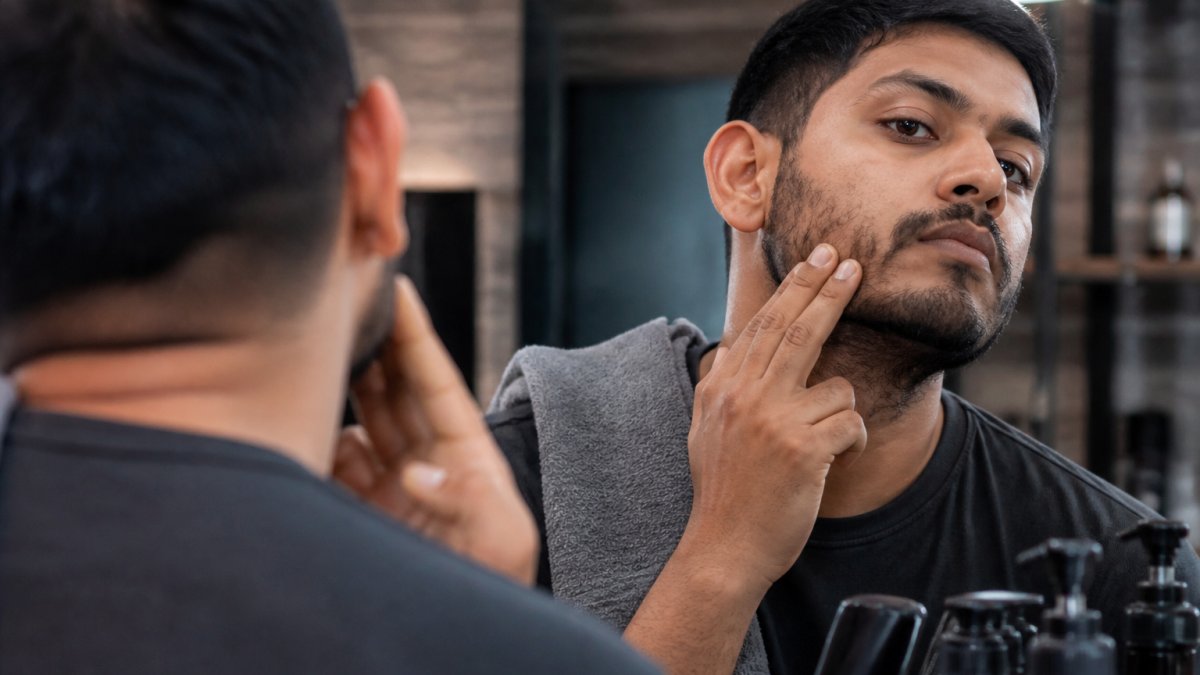
Best for: Men who wear a full beard and want a single, unified shape
Hair type: Straight, wavy, or curly
Specs: Low fade, taper or skin finish, 1.5-2 in on top, beard lineup matched to the fade line
5. The Long-Top Low Fade
Best for: Men who want length on top for styling options without a bold side profile
Hair type: Straight or wavy
Specs: Low fade, taper finish, 3-4 in on top, pushed back or side-swept, natural neckline
How to Pick the Right One for Your Workplace
If your workplace has a written dress code that mentions hair, stay with examples 1 or 5. If it is business casual or client-facing without a written code, examples 2 and 4 are safest. If it is creative or casual, example 3 gives you the most personality without leaving the professional lane.
Hair Type Notes
The low fade works on nearly every hair type. Straight hair shows the blend line clearly, wavy hair softens it, and curly hair needs more blending work but still finishes polished. Coily hair benefits most from a taper finish, because the softer transition line matches the natural texture better.
The Detail Most Guides Miss
A low fade lives or dies by a clean neckline and a sharp edge-up. A natural neckline reads more conservative; a squared neckline reads sharper. Neither is wrong, but the choice should be intentional.
Pro Tip If you work in a formal office, ask for a low fade with a taper at the nape. It grows out cleaner than a hard skin fade and looks intentional for longer.
Watch Out If your workplace dress code prohibits visible skin on the sides, skip the skin finish entirely and stay with a taper. A skin fade can read as too sharp for the most conservative settings, even at a low height.
Taper Fade with Curly Hair: Texture That Still Looks Sharp
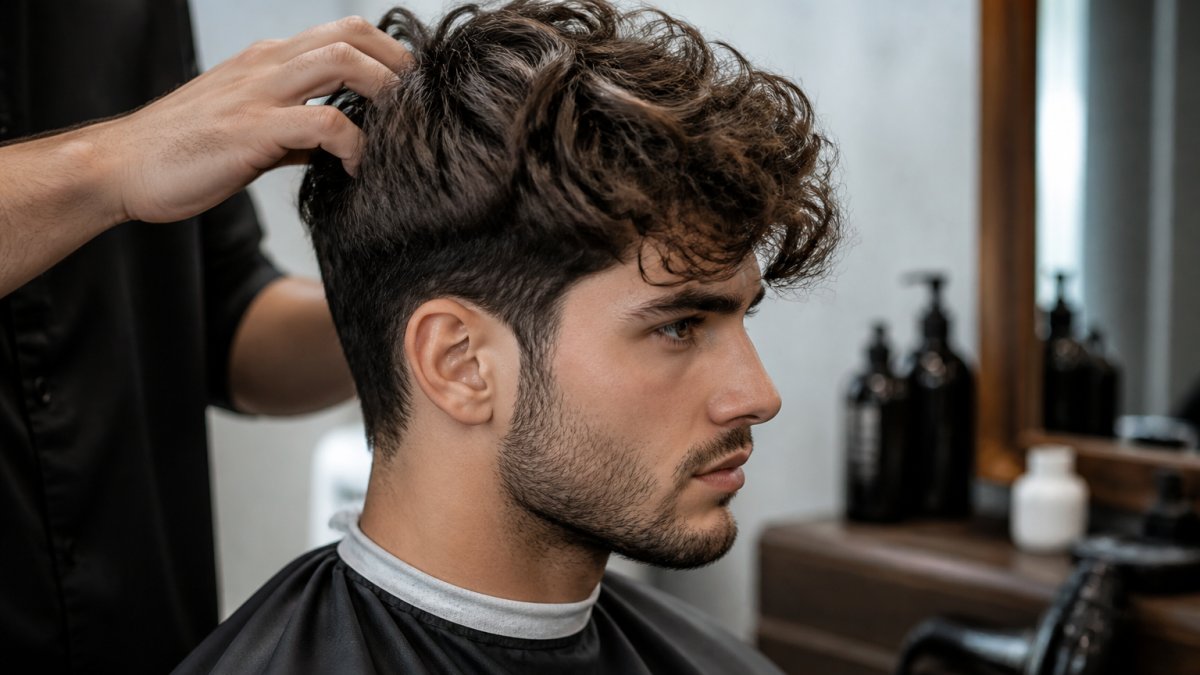
A taper fade with curly hair only works when the barber blends the sides without flattening the curl pattern on top. The taper keeps the sides short and the neckline clean while the curls stay full and shaped.
Curly hair needs a different approach than straight hair:
Cut curls dry or damp, not soaking wet
Blend with clippers and scissors together
Shape the top, never thin it aggressively
A common mistake is asking for a tight skin fade with curls, the contrast can look harsh. A low or mid taper fade keeps the curl texture front and center while the sides stay tidy, and grows out better because the transition line is softer.
Mid and High Fades: Where the Line Sits and Why It Matters
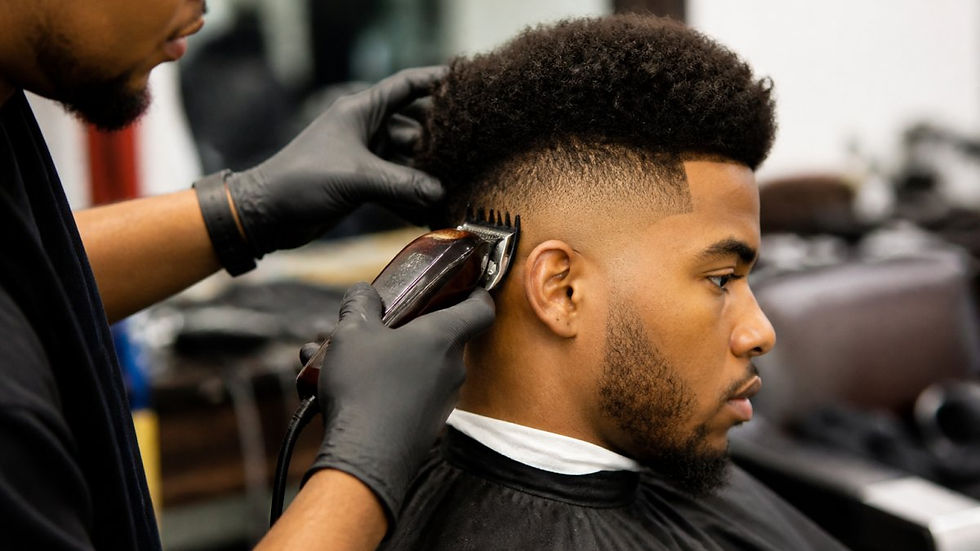
Mid and high fades move the blend line up the head, which changes the whole silhouette. A mid fade starts around the temple.
The line placement matters more than most men realize. A high fade makes the face look longer. A mid fade balances the head shape.
Fade Height | Blend Starts | Best For | Grows Out |
Low fade | Just above the ear | Office settings, round faces | Cleanest |
Mid fade | Around the temple | Most face shapes | Moderate |
High fade | Near the crown | Oval faces, bold looks | Fastest |
Drop fade | Curves behind the ear | Adding shape to the back | Moderate |
Bald fade | Full skin at the base | Maximum contrast | Fastest |
Drop fades and bald fades are variations on the same idea. A drop fade curves the line down behind the ear for a rounder shape.
Skin Fades, Drop Fades, and Bald Fades: Finish and Silhouette
Skin fades, drop fades, and bald fades are the sharpest finishes in the fade family, and each changes how the cut reads from the side and back. A skin fade takes the hair down to bare skin at the base, cleanest on day one, fastest to show regrowth. A bald fade is the same cut with the line placed lower.
Here is how to pick between them:
Want maximum sharpness for a short window? Go skin fade.
Want a rounder silhouette at the back? Go drop fade.
Want a bold, high-contrast look? Go bald fade with a high line.
Watch Out A skin fade looks great for about a week. After that, the regrowth line shows and the cut loses its edge. If you cannot get back to the chair every 7 to 10 days, choose a taper instead.
How to Ask a Barber for a Fade (Barber-Ready Script)
How to ask a barber for a fade comes down to four specs, not three: height, finish, top length, and neckline. Say all four and you remove almost all the guesswork. The script below is the same one we use at the chair, whether you are copying a photo from this gallery or describing a cut from memory.
The Four-Spec Script
"I want a [low / mid / high] fade, [skin / bald / taper] finish, with [short / medium / long] length on top. Keep the neckline [natural / squared / tapered], and line up the beard to match the fade line."
That single sentence covers everything a barber needs to start. The rest of the appointment is refinement.
Barber-Ready Specs by Example
Use this table to translate any photo in this gallery into words. Guard numbers refer to standard clipper guards; your barber may adjust by half a guard for hair density.
Example | Fade Height | Finish | Top Length | Neckline |
Conservative office low fade | Low (just above the ear) | Taper | 1-1.5 in, combed side part | Natural taper at nape |
Client-facing mid fade | Mid (at the temple) | Skin | 2-3 in, textured | Squared, beard matched |
Curly taper fade | Low to mid | Taper | 2-4 in, curl-shaped | Natural, no hard line |
High bald fade | High (near the crown) | Bald | 0.5-1 in, buzz or short crop | Squared, sharp edge-up |
Drop fade | Curves behind the ear | Skin or taper | 1.5-2.5 in, pushed back | Tapered to follow the drop |
Read the row that matches the look you want, then read it aloud.
Phrases That Fix Common Problems
A few things to say if you are particular, or if a previous cut went wrong:
"Blend the sides softly, I do not want a hard line." (Use when a previous barber left a visible ridge.)
"Keep the top textured, do not thin it out." (Use if your hair is fine or prone to looking flat.)
"Match the beard lineup to the fade line." (Use if you wear a beard and want the two to read as one shape.)
What to Bring With You
One or two reference photos beat a paragraph of description. Point to the height, not the whole cut, a photo shows the vibe, your words set the specs. If no photo matches your hair type, describe the closest one and tell your barber which part to keep and which to change.
At KOZMIC BARBERSHOP LLC, we ask these four questions before the clippers come out, because a two-minute conversation saves a two-week grow-out.
Pro Tip Save the four-spec script in your phone notes. The next time you sit down, you can hand the phone to your barber instead of trying to remember the numbers.
How Often to Get a Fade Haircut: Maintenance and Grow-Out
How often to get a fade haircut depends on the finish. A skin fade stays sharp for about a week; a taper fade holds its shape for three to four weeks. Most men land on a two to three week schedule.
Here is a simple maintenance table:
Finish | Looks Sharpest | Realistic Return Window |
Skin fade | 5-7 days | Every 1-2 weeks |
Bald fade | 5-7 days | Every 1-2 weeks |
Mid fade | 10-14 days | Every 2-3 weeks |
Low fade | 2-3 weeks | Every 3-4 weeks |
Taper fade | 3-4 weeks | Every 4-5 weeks |
Between visits, a few habits keep the cut looking clean:
Use a light hold product, not heavy gel
Wash with a gentle shampoo to protect the blend
Trim stray neckline hairs with a small trimmer
Key Takeaway Pick your fade height by how often you can actually get back to the barber, not by how it looks on day one. The best fade is the one that still looks sharp on day ten.
Conclusion
Choosing the right fade is really about matching height, finish, and top length to your hair, your face, and your schedule.
That is the work we do at KOZMIC BARBERSHOP LLC. Our barbers bring precision fade expertise, classic straight-razor finishes, and tailored styling to every chair.
Book online with KOZMIC BARBERSHOP LLC and walk out with a fade that actually fits you.
Frequently Asked Questions
What is the most professional-looking fade haircut?
A low fade is generally the most professional-looking fade haircut for office environments. It keeps more length on the sides and back, so the transition is subtle rather than dramatic. A low taper fade paired with a neat side part or short textured top reads clean and conservative. Mid fades also work in business casual settings, while high and skin fades lean more casual. If your workplace is strict about appearance, start with a low fade and a natural finish rather than a bald fade.
How do I ask my barber for a professional fade without getting it wrong?
Bring a photo and use specific terms. Tell your barber the fade height (low, mid, or high), the finish (skin, bald, or taper), and the top length you want. For example: 'Low taper fade, skin at the bottom, about an inch off the top, natural finish, squared neckline.' Mention how you style it day to day and whether you want a hard part. A barber who asks follow-up questions before starting is a good sign. If you are unsure, ask for their recommendation based on your face shape and hair texture.
How often should you get a fade touched up?
Most fades look sharp for about two to three weeks before the blend starts to soften and the neckline grows out. A full re-cut every three to four weeks keeps the shape consistent. If you want to stretch it, ask your barber for a taper fade rather than a skin fade, since it grows out more gracefully. Between visits, keep the neckline tidy with a trimmer and use a light hold product to maintain the top shape. Curly hair tends to show grow-out faster on the sides.
Can a fade haircut look professional in an office?
Yes. A fade can look entirely professional when the height is kept low and the finish is natural rather than bald. Pair a low or mid taper fade with a short, neat top and a clean neckline, and it fits business casual and most corporate dress codes. Avoid extreme contrasts like a high skin fade with a long top if your workplace is conservative. The key is proportion: the more gradual the blend and the shorter the top, the more polished it reads.
Book Online
Comments